Featured
Table of Contents
"In addition, there's no certain order for the stages of pain. Our initial emotional reaction to loss might be temper and depression.
And our emotions can come in waves of intensity. Many individuals obtain frustrated with themselves because they think they're grieving also long.
It relies on the person, and it relies on the loss. Attempt not to establish any kind of deadlines on your own. And remember that there's never a time when we're completely "done" with sorrow; we just find out how to make adjustments to the loss. The grieving procedure can be exceptionally challenging, however we don't need to go through it alone.
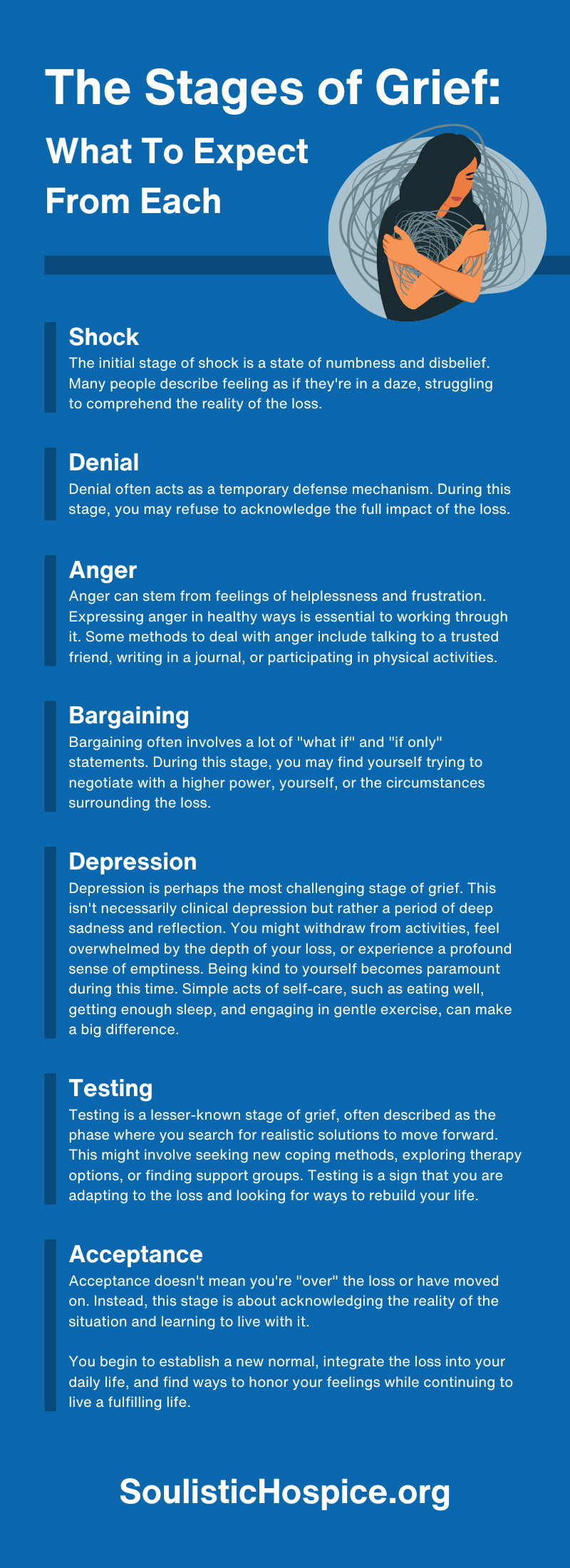
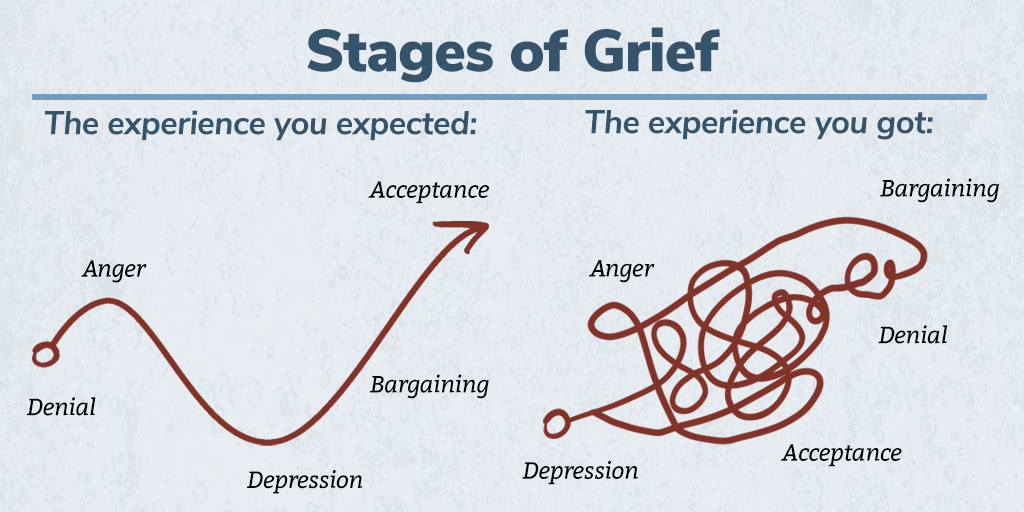
Sorrow is a complicated procedure that varies from one person to another. The five phases of sorrow denial, temper, negotiating, clinical depression, and acceptance are a helpful framework for thinking of sorrow, yet it doesn't mean we'll go through every stage. We can experience these facets of despair at different times, and they do not take place in one certain order.
Self-Compassion for Perfectionists
Think it or not, all of these are some form of grief or the experience of coping with loss. As we function our method with experiences like these, we're most likely to go via various stages or feelings from denial and temper to unhappiness and bitterness.
Prior to we dive into the five phases of despair, it's useful to recognize what grief is. Merely put, sorrow is the experience of dealing with loss.
Sorrow can likewise originate from any kind of changes we experience in life, such as transferring to a new city or institution or transitioning right into a new age team. The fact is that most of us experience a particular degree of grief throughout our lives. While some losses are a lot more intense than others, they are no much less genuine.
Early Wound Healing for Healthcare Workers Through EMDR in the Local Area
Many scientists have actually devoted years to examining loss and the feelings that accompany it. One of these experts was Elisabeth Kubler-Ross, a Swiss-American psychiatrist. She talked to over 200 individuals with incurable ailments and identified five common phases people experience as they grapple with the truths of their upcoming fatality: denial, rage, negotiating, depression, and acceptance.
Kubler-Ross's job concentrated on sorrow responses from people who are dying, several of these phases can be applied to despair across any kind of type of loss. We could really feel like we accept the loss at times and then relocate to one more stage of despair once more.
Creating Safety in EMDR for PTSD Clients in Sacramento
Exactly how much time we spend navigating these phases varies from person to person. It could take us hours, months, or longer to refine and recover from a loss. With that said in mind, let's take a closer take a look at each of the five stages of grief: For many people, denial or acting the loss or change isn't taking place is typically the first reaction to loss.
Ultimately, when we're regreting, we can begin the recovery procedure by permitting the sensations and emotions we've rejected to resurface. Lots of people will likewise experience temper as part of their grief. According to Kubler-Ross, pain from a loss is commonly redirected and revealed as temper. Simply put, anger is a method to hide the several emotions and pain that we're lugging as a result of the loss or modification.
Although our reasonable brain understands they're not at fault, our feelings are extreme and can easily override rational reasoning. We also could blast non-living items, complete strangers, friends, or member of the family. We may feel mad at life itself. While we often believe that anger is a negative feeling and something to be avoided at all costs, it in fact offers an objective and is a necessary component of healing.
Negotiating is a stage of pain that aids us hold onto hope during intense emotional discomfort. It's an effort to assist us regain control of a circumstance that has actually made us feel exceptionally at risk and powerless. It's also an additional method to aid us hold off needing to deal straight with the despair, complication, or pain.
The Healing Process for High-Achieving Healthcare Workers in Integrative Therapy
Depression is commonly likened to the "silent" phase of despair, as it's not as energetic as the rage and bargaining stages. This can lead to extreme sensations of sadness, anguish, and despondence. Signs of depression can materialize themselves in various means. For circumstances, we could really feel foggy, hefty, fatigued, overwhelmed or distracted.
In extreme instances, we may be unable or unwilling to obtain out of bed in the early morning. Similar to the other stages of sorrow, anxiety is experienced in different ways. It's not an indicator that something is wrong with us. Instead, it's a natural and suitable action to grief.
Instead, For instance, if we're grieving the death of a loved one, we may be able to reveal our gratitude for all the terrific times we spent with them. Or if we're undergoing a separation, we could state something like, "This actually was the most effective point for me." In this stage, we may end up being a lot more comfy reaching out to family members and buddies, and we could even make new partnerships as time goes on.
Right here are three usual misconceptions regarding grieving that we may believe when we consider our own or someone else's method of grieving: Among one of the most usual misunderstandings about regreting is that everyone goes with it in the same way. As we've established, grieving is a distinct journey that is various for everyone.
The Power of Internal Family Systems in Transforming Professional Identity
If you ever before locate on your own assuming, "I'm doing it wrong," attempt reminding on your own that "there's no right or wrong way of grieving."Moreover, there's no details order for the stages of despair. Our initial psychological response to loss may be rage and anxiety. This doesn't imply that we're not regreting effectively.
And our emotions can can be found in waves of intensity. At first, our emotions can be frustrating. With time, the strength is most likely to diminish although there may be moments when it's just as fresh and overpowering as it went to first. Lots of people get annoyed with themselves due to the fact that they assume they're regreting also long.

Latest Posts
Worry Loops Breaking with CBT-Based Bipolar Disorder
Discovering Trauma-Related Depression Trauma-Informed Clinical Therapy
Building Your Healing Journey